Cyber Security Training Online: A Beginner’s Guide to Getting Started
 Gregory Evans
What Is Cyber Security Training Online?
Cyber security training online teaches you how to identify, prevent, and respond to digital attacks and data breaches. It covers everything from basic personal safety to advanced technical skills like network defense and malware analysis.
The beauty of online training? You learn at your own pace, from anywhere, without needing expensive in-person classes or special equipment.
Why You Should Care About Cyber Security Training Right Now
Digital threats are everywhere. Hackers target individuals, small businesses, and major corporations equally. If you work with data, manage finances, or store sensitive files online, you’re a potential target.
Related: Top Cyber Security Certifications for 2026
Most data breaches happen because someone clicked a malicious link, reused a weak password, or didn’t recognize a phishing email. Training fixes these gaps fast.
Beyond protection: cybersecurity careers are growing. Learning these skills opens doors to well-paying jobs, freelance work, or even starting your own security consulting business.
Related: What Is a Security Analyst? Career Path & Skills Guide
Related: Cyber Security Analyst Certification: Your Complete Guide
Core Skills You’ll Learn in Cyber Security Training Online
When you enroll in cyber security training online, expect to master these fundamentals:
Related: Cyber Security Bootcamp: What to Expect in 2026
- Network security – How data moves across systems and where attackers intercept it
- Encryption – Scrambling sensitive information so only authorized people can read it
- Risk management – Identifying vulnerabilities and prioritizing what to fix first
- Incident response – What to do when a breach actually happens
- Social engineering awareness – Recognizing manipulation tactics hackers use to trick you
- Password security and authentication – Creating and protecting access credentials
Advanced courses add cloud security, ethical hacking, malware analysis, and surveillance techniques. But you don’t need advanced topics to start protecting yourself or landing an entry-level job.
Related: Ethical Hacking for Beginners: A Complete Getting Started Guide
Related: Cyber Security Online Certificate: Complete Guide to Getting Started
Related: Learn Cyber Security: A Beginner’s Guide to Getting Started
Related: Learn Cyber Security Free: 7 Steps to Get Started in 2026
Related: What Does Cyber Mean? A Beginner’s Guide to Cybersecurity Basics
Related: What Is SIEM in Cyber Security? A Beginner’s Guide
Related: Capture the Flag Cybersecurity: A Beginner’s Guide to CTF
Related: What Is a Cyber Background Check? A Complete Guide
Related: What Is a Cybersecurity Apprenticeship? A Beginner’s Guide to Entry-Level Programs
Related: Information Security: A Beginner’s Guide to Protecting Your Data
Free vs. Paid Cyber Security Training Online
Budget constraints shouldn’t stop you. Free options exist and they’re legitimate.
Free platforms to explore: OverTheWire War Games is a hands-on resource where you practice command-line skills through interactive challenges. Cisco Networking Academy offers foundational networking courses that build toward security knowledge. These resources won’t cost you anything and teach real, applicable skills.
Paid training advantages: Structured curriculums, certification prep, mentorship, job placement support, and faster learning timelines. Paid courses range from affordable microcourses to comprehensive bootcamp-style programs. Most cost drivers depend on course length, instructor experience, and whether certification exams are included. Request details from training providers to understand what you’re paying for.
Honest take: National Cyber Security Training Academy bridges both worlds by offering structured, affordable pathways that don’t require you to choose between learning and your budget.
Security Awareness Training: The Quick-Start Option
If you have 15 minutes right now, you can start learning essential cybersecurity concepts. Quick-start modules exist for busy professionals and individuals who need to protect themselves immediately.
These short courses focus on high-impact topics:
- How to spot phishing emails and malicious links
- Best practices for password management
- Secure communication basics
- Data classification and privacy
- Physical security around your devices
Fifteen minutes of training prevents most common attacks. It’s the lowest barrier to entry and often the most practical starting point for people who aren’t sure if cybersecurity is for them.
How to Choose the Right Cyber Security Training Online for You
Ask yourself these questions:
What’s your goal? Personal protection, career change, or business security? Your answer shapes whether you need broad awareness training or deep technical skills.
How much time do you have? Some people finish a course in weeks. Others learn over months. Both work.
Do you need a certification? Certifications boost resumes and credibility but require study time and exam fees. They’re worth it if you’re pursuing a security job.
What’s your technical background? Pure beginners should start with foundational courses covering networking basics. If you already code or work in IT, jump into more advanced topics.
Check course reviews, instructor credentials, and whether the material covers current threats and tools. Avoid outdated content.
Building a Cybersecurity Career Through Online Training
Online cyber security training is a legitimate pathway to a new career. Many security professionals started with free courses or affordable bootcamps and moved into full-time roles.
The path looks like this: Start with foundational training and certifications. Build a portfolio by completing hands-on labs and small projects. Network with other security professionals online. Apply for entry-level roles like Security Analyst, Security Operations Center (SOC) Technician, or System Administrator.
Certifications accelerate hiring. Entry-level options exist and are achievable within six months of focused study. As you gain experience, you can pursue advanced certifications and specialized roles.
Many people also use cyber security training to start consulting or freelance security work. If you like entrepreneurship, National Cyber Security Training Academy teaches both the technical skills and business mindset you need to launch your own security ventures.
What to Expect in Your First Week of Training
Your first week typically covers why cybersecurity matters and introduces basic terminology. You’ll learn what malware, phishing, firewalls, and encryption actually mean without getting bogged down in theory.
Most courses show you real examples of attacks and breaches so you understand the stakes. They also walk you through setting up secure passwords and enabling two-factor authentication on your accounts.
Expect hands-on labs where you practice in a safe environment. You might set up a virtual network, run scans, or identify vulnerabilities. Hands-on work sticks better than lectures alone.
By the end of week one, you should feel more confident about your own digital safety and understand where the field is heading.
Tools and Platforms You’ll Use
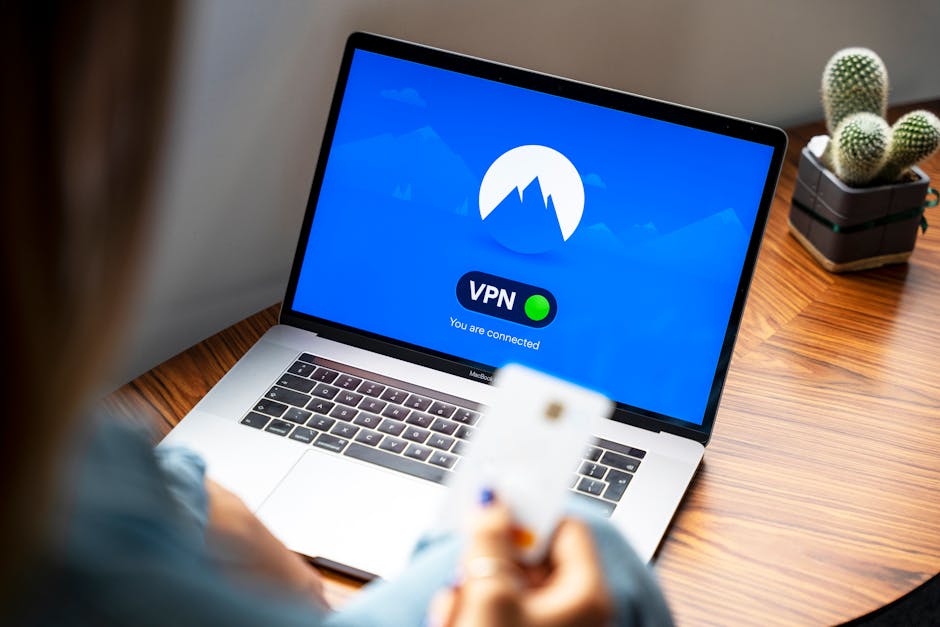
Most cyber security training online includes access to virtual labs, sandbox environments, and industry-standard tools. You typically don’t need to buy software. Your course fees cover access.
Common tools in training include packet analyzers, vulnerability scanners, firewalls, and log analysis platforms. Learning these tools makes you immediately useful to employers.
Some courses use Linux command-line environments because most security work happens on Linux systems. Don’t worry if that sounds foreign. Training teaches you from zero.
Common Barriers and How to Overcome Them
“I’m not technical enough.” Most beginner courses assume zero technical knowledge. You learn what you need as you go. Technical skills build quickly when you’re motivated.
“I don’t have time.” Even 30 minutes a day adds up. Many courses let you pause and resume. Life happens. Good training platforms expect it.
“I’m worried about cost.” Start free. Platforms like OverTheWire and Cisco Networking Academy teach real skills at no cost. Upgrade to paid training once you’re sure about your commitment.
“I don’t know which course to pick.” Read reviews, check what certifications the course prepares you for, and verify the instructor has real industry experience. Most platforms offer free introductory material so you can test-drive before paying.
Getting Support and Staying Accountable
Online learning requires self-discipline. Combat isolation by joining study groups, forums, or Discord communities where other learners hang out. Many platforms have built-in communities.
Set a schedule and stick to it. Training three times a week beats cramming once a month. Consistency matters more than intensity.
Find an accountability partner. Someone else taking the same course keeps you motivated when things get hard. You can review labs together and share resources.
Don’t skip hands-on labs to save time. They’re where learning actually happens. Reading about encryption is different from running encryption tools yourself. That difference is everything.
Next Steps After Completing Cyber Security Training Online
Finishing a course is a milestone but not the finish line. Real learning accelerates when you start applying skills.
Options include:
- Pursue a certification exam to validate your knowledge
- Join a bug bounty program and get paid to find vulnerabilities
- Set up your own home lab and practice advanced techniques
- Apply for internships or entry-level security roles
- Take a second course in a specialized area like cloud security or forensics
Many successful security professionals treat their learning as continuous. The field changes fast. Staying current means ongoing training, certifications, and hands-on practice.
If you’re serious about building a security career or business, advanced guidance helps. National Cyber Security Training Academy supports learners beyond course completion with career coaching, business development resources, and ongoing community access.
Staying Current With Evolving Threats
Cybersecurity training isn’t a one-time purchase. Threats evolve constantly. Attackers find new vulnerabilities and tactics every week.
Quality training platforms update their material regularly. Check if courses include refresher modules and access to new content as it’s released.
Reading industry news also helps. Follow CISA (the Cybersecurity and Infrastructure Security Agency), tech blogs, and security podcasts to stay informed about real threats and defensive strategies. This background knowledge makes your formal training stick better because you see how lessons apply to actual events.
How long does cyber security training online take?
Foundational training ranges from 8 to 12 weeks for a bootcamp-style course, or 3 to 6 months if you’re learning part-time. Quick-start awareness training takes as little as 15 minutes. Certification prep usually takes 3 to 6 months depending on the credential. Everyone’s timeline differs based on prior knowledge and study pace.
Do I need a degree to take cyber security training online?
No. Online training accepts anyone regardless of education background. Some courses recommend basic computer literacy or math comfort, but many start from absolute zero. Your motivation and consistency matter far more than formal education.
Will cyber security training online guarantee me a job?
Training opens doors but doesn’t guarantee hiring. Your job prospects depend on the course quality, your certifications, hands-on experience, and job market timing. Build a portfolio alongside your training. Contribute to open-source projects, complete capture-the-flag challenges, or document personal security projects. Employers want to see what you can do, not just certificates.
Can I learn cyber security online if I have no technical background?
Absolutely. Most beginner courses teach everything from scratch, including basic networking and Linux concepts. Technical knowledge builds fast when you’re motivated and learning through hands-on labs. Many successful security professionals started with zero tech background.